
PHASM: Aircraft Design for Dolphin Health Sampling
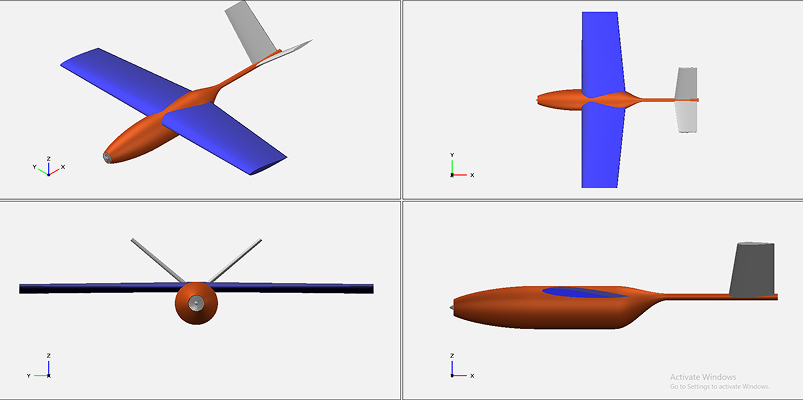
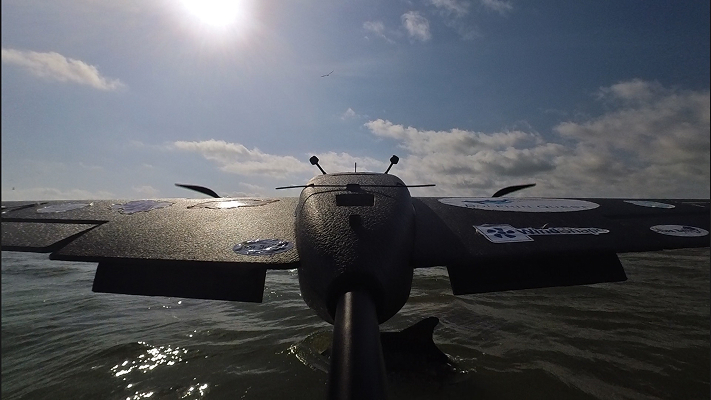
The Passive Health Assessment of Sea Mammals (PHASM) concept uses unmanned aircraft to collect exhaled respiratory material, or “blow,” from free-swimming small cetaceans. Building on prior fixed-wing collection demonstrations, this project addresses the aircraft design and control challenges of flying slowly and precisely near the water surface while limiting disturbance to the animal and the sample.
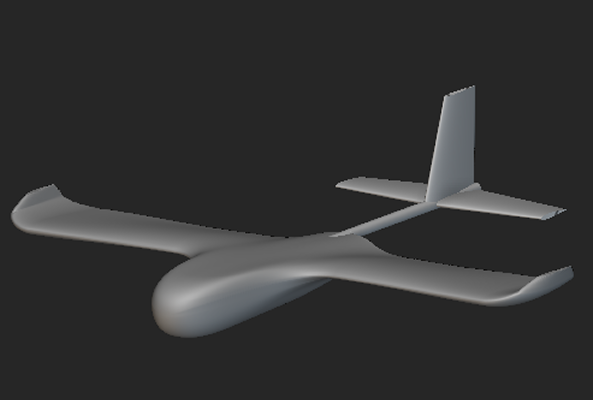
The proposed effort will compare candidate configurations, including hybrid VTOL, blown-wing or powered-lift, and water-operable aircraft. The assessment will consider low-speed controllability, endurance, propulsor placement, payload compatibility, and launch and recovery practicality. S2FAR will also investigate aircraft-specific autopilot tuning and custom flight control approaches to improve speed and altitude regulation and the repeatability of collection passes.
The project is intended to produce a flyable prototype, preliminary flight-test data, and a recommended configuration and control-system development path. Testing at Skyway 36 will evaluate simulated collection passes and aircraft handling. A limited Galveston field visit is conditional on available external budget and schedule. The results will support a larger PHASM follow-on effort in marine mammal health monitoring.
Project Information
| Program | OAIRE FY27 Grant Program, Level 1 – Institute Affiliate |
| PI | Dr. Anthony Comer, OSU Mechanical and Aerospace Engineering |
| Co-PI | Daniel Gassen, OAIRE |
| Requested Seed Budget | $10,000 |
| Planned Duration | Six months |
| Primary Flight-Test Location | Skyway 36 |
| Conditional Field Location | Galveston, Texas |
| Status | Proposal narrative and requested budget supplied; award status and current progress need confirmation |